


How a Conservation Easement Protects 35 Acres in Ligonier Township |
The Western Pennsylvania Conservancy agreement protects farmland and forest around a Loyalhanna Creek tributary |
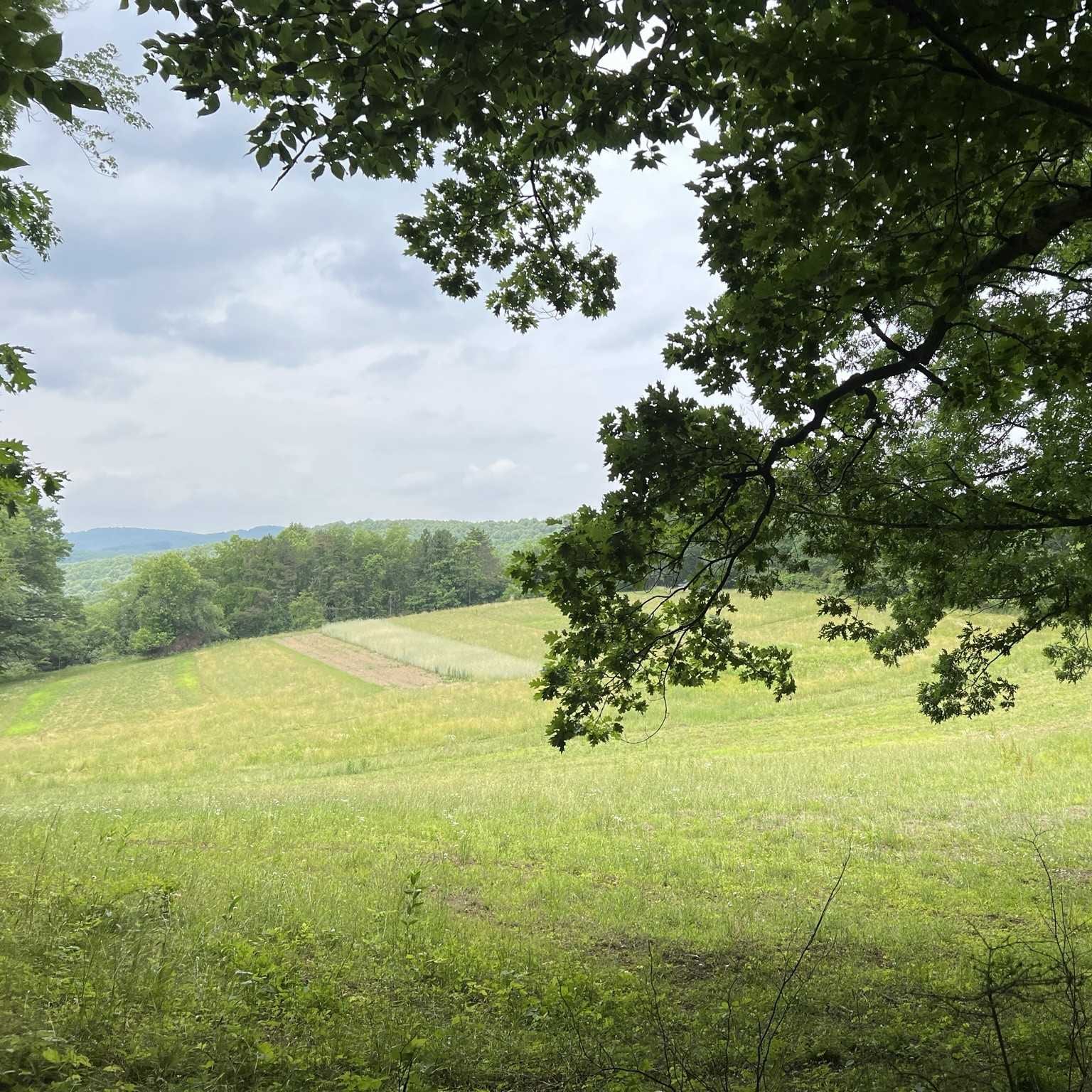
Image credit: Western Pennsylvania Conservancy, protected Ligonier Township property.
A 35-acre property in Ligonier Township shows what long-term land protection can look like on a family-owned parcel. The Western Pennsylvania Conservancy announced the purchase of a conservation easement in July. The agreement protects farmland and mature woods, including slopes that drain to Clark Hollow Run, a tributary of Loyalhanna Creek. A November article in The Conversation revisited the agreement and the trade-offs families weigh when they decide what should happen to their land in the future.
What stays protected
The conservancy describes the tract as roughly 80 percent forested. It also includes a small apple orchard and open fields with mixed grasses and wildflowers. Some of the soils carry a U.S. Department of Agriculture designation for farmland of statewide importance. The site includes the Clark Hollow Natural Heritage Area, which contains habitat for buffalo-nut, an Appalachian shrub Pennsylvania lists as a rare species of concern.
The combination is worth noticing. A property can contain productive soil, small fields and wooded slopes within the same boundary. Decisions about how it is developed can affect all three. In this case the same agreement protects the family’s fields and the woods that slope toward a local stream. The parcel remains privately owned, so readers looking for a walk should consult the conservancy’s public preserve directory.
How the agreement works
A conservation easement places lasting restrictions on how a property can be used. The owner can continue to hold the property, and the restrictions remain in place if ownership changes. The conservancy can enforce the agreement. The permitted uses and the specific restrictions depend on the written terms for each property. For the Ligonier Township tract, the conservancy says the easement limits future development while protecting the land’s agricultural and natural features.
That structure matters if a family wants to keep land in its own hands while deciding today how it will be protected over time. It also gives neighbors a reason to pay attention to individual projects. One protected parcel can connect to a much larger picture of farms, woodlands and waterways, even when the land changes little to someone driving past it.
Where Westmoreland landowners can start
The conservancy says it has permanently protected more than 30,000 acres throughout the Ligonier Valley, including more than 12,000 through easements. It lists 724-238-2492 for questions about local conservation options. The Westmoreland County Agricultural Land Preservation program offers a separate route for qualifying farms and publishes its guidelines online.
If you’re curious about the project, start with the conservancy’s announcement and view the photo of the property. If your family is considering its own options, read the program descriptions and ask which uses an agreement could allow over time. And if the story makes you want to spend an afternoon outdoors, the conservancy’s directory identifies properties you can actually visit.
Read the conservancy’s Ligonier Township announcement · See county agricultural easement guidelines · Explore publicly accessible preserves |
8 Comments
Join the conversation
Worth remembering this land is still private. The conservancy's public preserves are the place to plan a walk.
Nina BrooksGood reminder. I nearly mistook the property photo for an invitation to visit.
Protecting the stream makes sense, though I'd want to read the restrictions carefully before signing away future options.
Dave W.I would too. I'd want to know whether the agreement allows changes to the fields down the road.
We used to pick apples near Ligonier, so I'm glad this small orchard gets to stay.
I'd like to know what the easement still lets future owners do with that apple orchard.
It's good to see the Ligonier family keeping their fields while protecting the woods above Clark Hollow Run.
Linda M.I like that they can still use the fields. Keeping the wooded slope above the run intact seems like a good balance.