


Seton Hill Grant Puts Student Science Into Flight |
A two-year moth research project connects hands-on biology with the mechanics of stable flight |
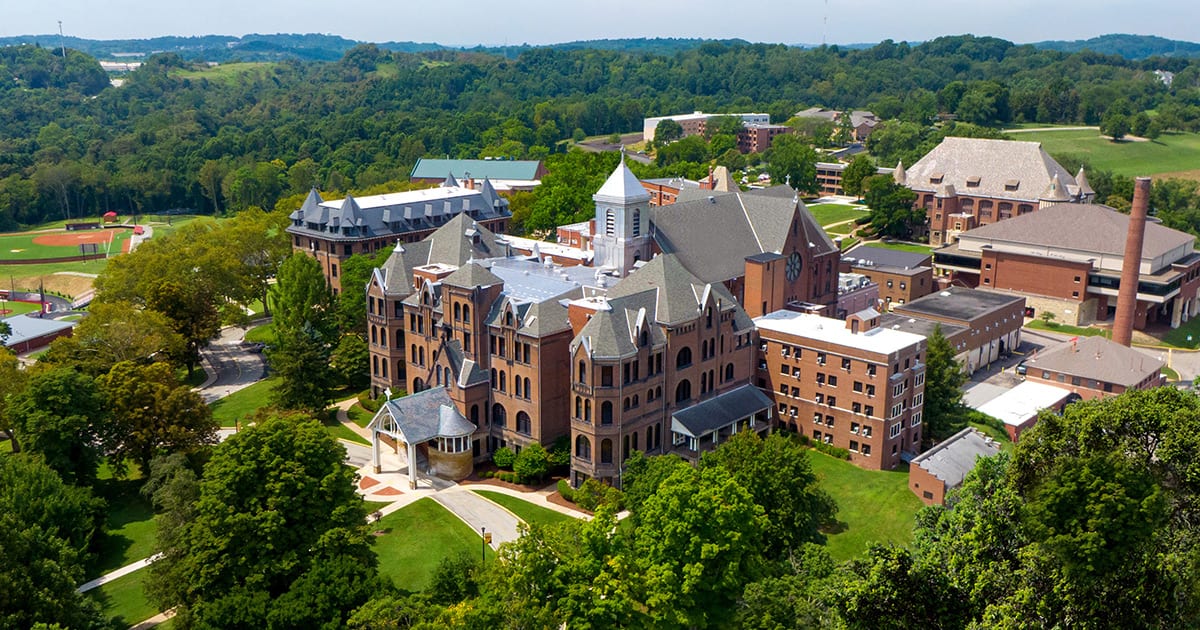
A moth’s wings may seem an unlikely starting point for a Westmoreland good-news story, but Seton Hill University is turning that everyday wonder into a new undergraduate research opportunity.
The Greensburg university announced a $100,000 grant on November 11 to support a two-year study of insect flight.
The project asks how the placement of tiny wing sensors helps moths remain stable and maneuver through changing conditions.
For students, the significance extends beyond watching an insect fly: they will participate in the work of asking questions, collecting evidence and analyzing results.
A small animal, a substantial question
A wing must do more than generate movement; information about what happens to it can also help an animal control that movement.
The Seton Hill project examines that relationship across hawkmoths and silkmoths.
Faculty researchers Brett Aiello and Jessica Brzyski will lead the work supported by the Charles E. Kaufman Foundation of The Pittsburgh Foundation.
The university describes a combination of high-speed recordings, microscopy and other tools to compare sensory networks across 10 moth species.
These methods approach the same question from different directions: how a wing is built, where its sensors sit and what happens during flight.
The aim is to investigate patterns, not to announce a finished answer before the study is completed.
Students help build the evidence
The project links research with coursework, summer opportunities and the presentation of findings.
That connection matters because research is a process, rather than a collection of impressive-looking instruments.
Students need to distinguish an observation from an explanation and an interesting difference from a repeatable pattern.
Working with data also means deciding what can be compared fairly.
If two wings behave differently, a researcher must consider structure, shape and measurement before settling on an interpretation.
Those habits of careful reasoning are useful beyond a single topic.
The local benefit is the opportunity to practice them while contributing to an active scientific question.
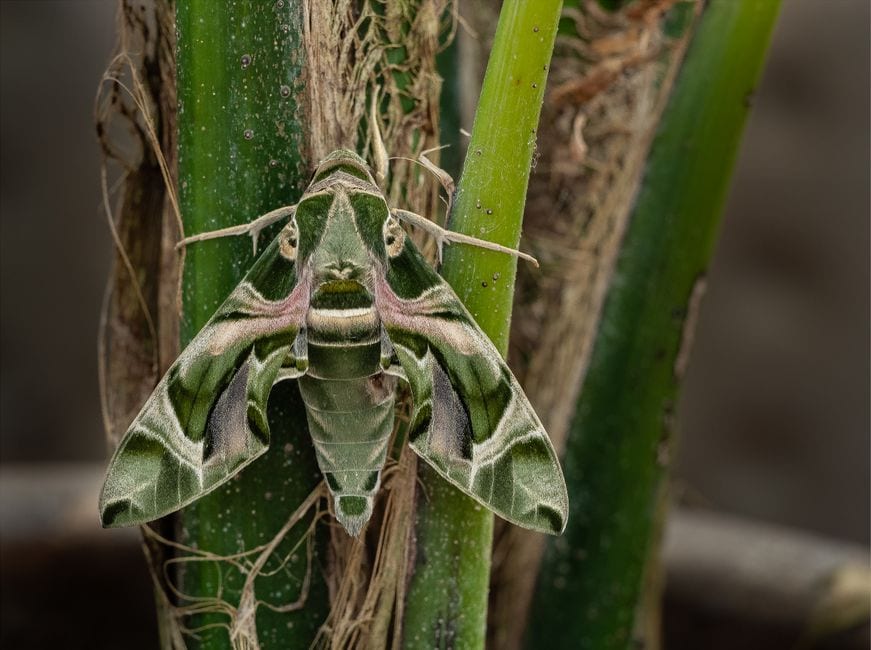
Illustrative moth; not a specimen from the Seton Hill study. Photo by William Warby on Pexels
What families can take from the story
For a student considering biology, the announcement offers a concrete example of what study in the field can involve.
Biology can connect field observation with laboratory tools, mathematics and clear communication.
A useful campus-visit question is therefore not simply whether research exists, but how undergraduates participate.
Prospective students might ask what preparation is needed, which courses connect with projects and how summer positions are selected.
They can also ask whether opportunities involve data analysis, fieldwork, laboratory work or a combination.
Those are suggestions for an informed conversation, rather than a claim that every applicant is guaranteed a place on this project.
The university announcement does not establish a public application deadline for the research opportunities.
Keep curiosity close to home
Readers do not need a microscope to appreciate the central idea: an animal’s form and its behavior can be studied together.
For families, the story can open a conversation about how scientists turn a familiar observation into a question they can test.
Watching something carefully is a beginning, while a reliable explanation requires evidence and comparison.
The project puts that distinction into a local setting students and parents can recognize.
Its next chapters will come from the work itself, including results that may challenge initial expectations.
For now, the confirmed news is a funded research opportunity in Greensburg and a plan to involve undergraduate learners.
That makes a tiny wing the starting point for something substantial: students learning how to investigate the natural world with patience, precision and an open mind.
Sources and useful links |
8 Comments
Join the conversation
We get hawkmoths around our porch light some evenings. I'll probably watch how they move a little closer now.
kim_87Same here. They hover around our flowers in the evening, and I never thought to watch how they turn.
The $100,000 grant sounds promising, but I'd like to know how many undergraduates will actually get to participate.
Rob K.Fair question. I'd like to hear how the summer spots are picked and whether students can take part through classes too.
My daughter studies biology, and the summer research opportunities sound like something she'd be excited to ask about.
I'm curious how they can tell which tiny sensors matter most when a moth changes direction in flight.
Dave ThompsonI wondered that too. The high-speed footage might show when they correct course, but figuring out which sensors caused it sounds tricky.
It's nice to see Seton Hill students getting a chance to do real research right here in Greensburg.