
Seton Hill’s AI Grant Builds New Skills in Westmoreland County |
A five-year initiative connects secure technology, practical learning and regional workforce needs |
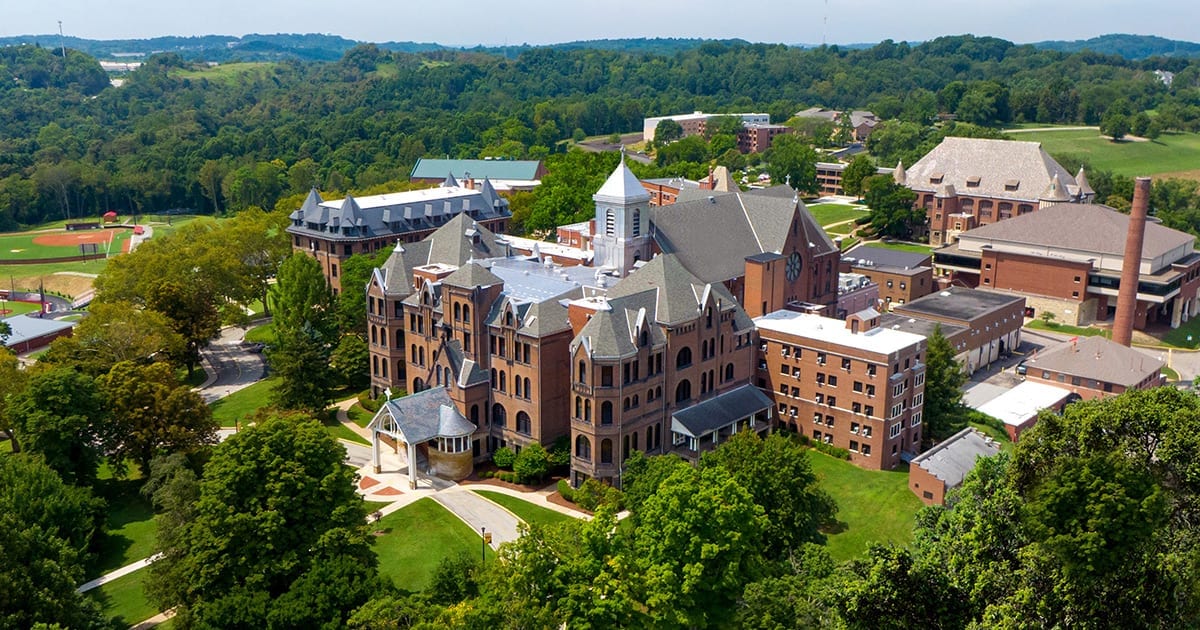
A new investment at Seton Hill University gives Westmoreland County families another reason to look close to home when thinking about technology education and future careers.
The Greensburg university announced its WISE Local AI initiative on October 20, describing a five-year effort to bring secure, locally hosted artificial intelligence into teaching and practical projects.
Its federal Title III award includes $449,137 for the first year, with a projected five-year budget of $2,242,222 subject to annual award notices.
What the initiative will build
The plan combines computing infrastructure, faculty training, curriculum development and work informed by employers.
Its reach is intended to extend across business, technology, health professions and other academic areas.
That breadth matters because learning to evaluate a tool, protect information and use technology thoughtfully can be valuable well beyond a single technical occupation.
For readers following the announcement, the useful distinction is between funding a new learning environment and promising an immediate job opening.
This is an education investment, and its value will depend on the experiences students can actually put into practice.
A foundation already on campus
Seton Hill’s computer science degree offers two routes after a shared grounding in programming, mathematics, systems and algorithms.
Students can specialize in software engineering or artificial intelligence and machine learning.
The software route addresses subjects such as systems design, development practices and cloud computing.
The AI route adds more mathematics and data-focused study, including probability, statistics and linear algebra.
Both descriptions emphasize applied learning through internships and capstone requirements.
For a prospective student, that creates a useful set of questions to bring to a campus visit.
Ask what a typical project involves, how students receive feedback and how the university connects classroom work with regional organizations.
A familiar technology label is only a starting point; the work students do with it is the more revealing detail.
Security belongs in the conversation
The university’s cybersecurity degree also begins with computing fundamentals before branching into network and cloud security or cyber risk and policy.
Its published curriculum description includes systems, networking, programming and security principles.
Advanced study can address incident response, cryptography, governance and risk assessment.
Those areas provide helpful context for the new initiative’s emphasis on secure local AI.
Using a digital tool responsibly involves deciding what information belongs in it, who should have access and how its output should be checked.
Families do not need to arrive with expert answers, but asking those questions can make an admissions conversation more useful.
Technology access is also part of the learning experience.
Seton Hill’s existing mobile learning program supports students with university-provided devices, while the grant announcement outlines upgraded computers for designated first-year technology and applied-science students.
Anyone considering enrollment should ask which device provisions apply to their specific program and incoming class.
What local readers can do next
Start with the university’s announcement, compare the current degree descriptions and request information about the program that matches your interests.
Ask about admission requirements, financial aid, internships and the timing of the new initiative’s opportunities.
Employers can use the same conversation to learn how future projects or partnerships might connect with workforce needs.
The welcome development for Westmoreland County is a local institution investing in practical learning while keeping security and thoughtful use in view.
Families comparing colleges can also ask how foundational coursework leads into advanced projects, what academic support is available and how learning is assessed. Those practical details make it easier to compare programs on substance and fit.
Sources and useful links Primary announcement · Program and visitor information · Additional background · Further resources |
 Illustrative cybersecurity program image: Seton Hill University. |
3 Comments
Join the conversation
Keeping the AI tools local sounds sensible, especially if health students will be using them.
I hope they can show families what students will actually do with that grant money.
It's good to see Seton Hill giving local students a chance to learn about AI close to home.